
 |
 Most viewed - Astronomical Images Most viewed - Astronomical Images |
 |
|
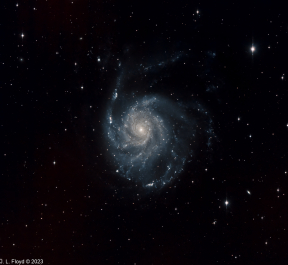
M101 with Supernova717 viewsMessier 101, Spiral Galaxy in Ursa Major, with Supernova SN 2023ixf
|
|
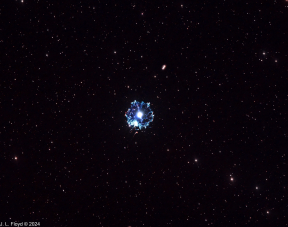
NGC6543, the Cat's Eye Nebula716 viewsPlanetary nebula in the northern constellation Draco. Distance from Earth about 3300 light-years.
|
|
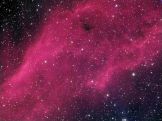
NGC 1499 - The California Nebula713 viewsAn emission nebula in the constellation Perseus, so called because it resembles the State of California in shape (though not in this image). About 1000 light-years from Earth.
|
|
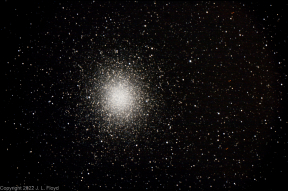
NGC 5139 - Omega Centauri Cluster712 viewsGlobular cluster in Centaurus, 17,090 light-years away. The largest-known globular cluster in the Milky Way, estimated to contain approximately 10 million stars, and a total mass equivalent to 4 million solar masses.
|
|
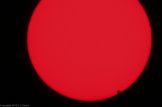
Black Drop Effect711 viewsFirst Contact plus 11 minutes. Venus appears to be glued to the rim of the Sun's disk. This is known as the "Black Drop Effect."
|
|
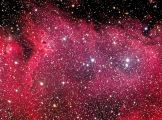
IC 1848 - The Soul Nebula711 viewsAn emission nebula in Cassiopeia, eastern neighbor of the Heart Nebula, IC 1805. About 6,500 light-years away, it spans 100 light-years, and is too big at that distance to fit into my telescope's field of view, so only part of it is seen here.
|
|
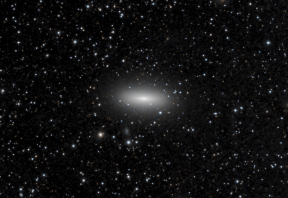
NGC 3115 - Lenticular Galaxy in Sextans711 viewsFormerly thought to be an elliptical galaxy, now considered a lenticular (lens-shaped) galaxy because it has a disk and a central bulge of stars, but no discernible spiral structure. Distance from Earth is about 32 million light years. It is several times larger than the Milky Way galaxy.
|
|
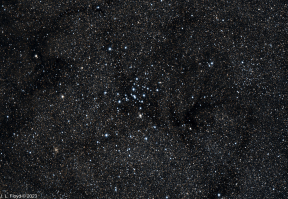
Messier 7 - Ptolemy's Cluster711 viewsAn open cluster of stars in the constellation Scorpius. Southernmost Messier object. 980 light years distant. Also designated NGC 6475.
|
|
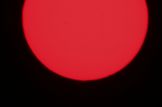
First Contact708 viewsVenus takes a tiny nibble out of the Sun's disk just past the 5 o'clock position.
|
|
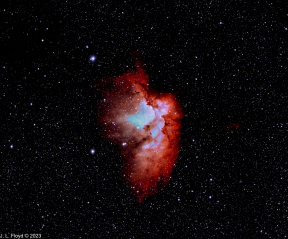
NGC7380 - The Wizard Nebula708 viewsOpen cluster with surrounding nebulosity in Cepheus, about 8500 light-years away.
|
|
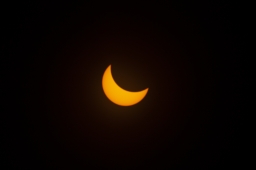
Totaity minus 26 minutes707 viewsC2 - 25 min, 57 sec
|
|
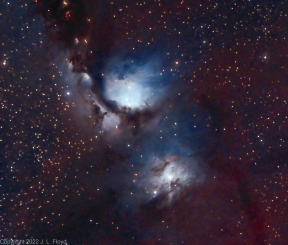
M78 - Reflection Nebula in Orion707 viewsM78 - Reflection Nebula in the Orion B molecular cloud complex, 1,350 light-years from Earth.
|
|
| 257 files on 22 page(s) |
|
|
|
5 | |
|
|
|
|
|
|
|
|
|
|
|


